Dec 17, 2025
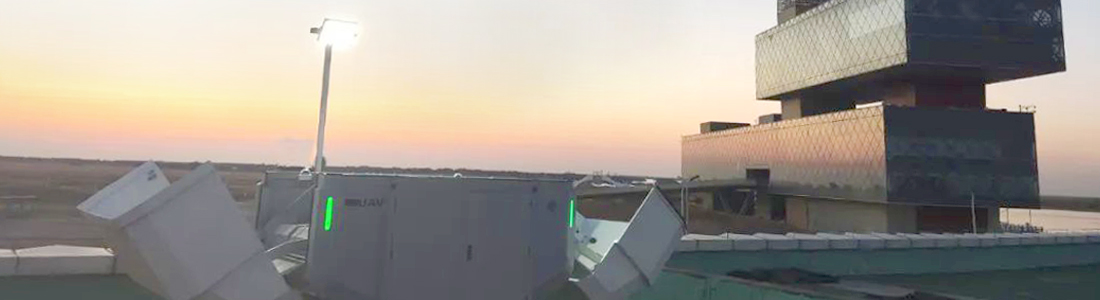
Natural resources are an important material basis for the development process of human society and are vital for maintaining ecological balance and realizing sustainable development. However, as natural resources are vast and widely distributed, traditional survey methods are often inefficient and costly. Through the unattended system, provides efficient and accurate solutions for natural resources management.
Mineral Resources Management
Intelligent Inspection, Guarding the Safety of Mineral Resources
The development and utilization of mineral resources requires strict supervision to prevent illegal mining and resource wastage. The Mineral Deposit Illegal Mining Detection combines the laser radar (LiDAR) and high-precision optical camera, tilt camera, dual-optical pods and other payloads carried by the drone to carry out all-around inspections of the mining area around the clock, monitor mining activities in real time, and detect illegal behaviors in a timely manner.
At the same time, the drone can also monitor the ecological environment of the mining area and assess the effect of mine restoration. The automated inspection function of the unmanned system reduces labor costs and improves the efficiency and safety of mine supervision.
Forest and Grassland Resources Management
Science and Technology Helping to Guard the Green Ecological Barrier
Forests and grasslands are the “lungs” of the Earth, and their protection and management are of paramount importance. The unattended system combines ortho cameras, LIDAR, spectral cameras, video pods, etc., carried by UAVs, to monitor the growth status of forest and grassland resources, pests and diseases in real time.
Especially in forest fire prevention and emergency response, the UAV can quickly locate the fire source, assess the fire spreading trend, and provide scientific basis for fire-fighting command. The automated monitoring function of the unmanned system realizes all-weather supervision of forest and grass resources and provides strong technical support for ecological protection.
Wetland and Nature Reserve Management
Technology Guards, Ecological Treasures
Wetlands and nature reserves are important carriers of biodiversity. The unmanned system, combined with the high-resolution optical camera and thermal imager carried by the drone, can quickly obtain image data of wetlands and nature reserves, monitor ecological changes and assess the effectiveness of protection. The automated inspection function reduces the disturbance to the nature reserves while improving the efficiency and precision of monitoring, providing a scientific basis for the management to formulate protection strategies.
Water Resources Management
Technology Empowered to Guard the Source of Life
The rational utilization and protection of water resources is an important part of natural resource management. The unattended system, combined with the multispectral sensors and water quality monitoring equipment carried by drones, can inspect rivers, lakes and other waters, monitor changes in water quality, and assess the development and utilization of water resources. It realizes all-weather supervision of water resources and provides data support for water resources management.
Marine Resource Management
Science and Technology Helping to Guard the Blue Land
The unattended system combines high-resolution optical cameras and marine monitoring equipment carried by drones to patrol coastlines and sea areas, monitor the exploitation and utilization of marine resources and assess the marine ecological environment. The automated inspection function reduces interference with the marine environment while improving the efficiency and precision of monitoring, providing support for marine resource management.
Cropland Red Line Management
Technology Guards, Food Security Bottom Line
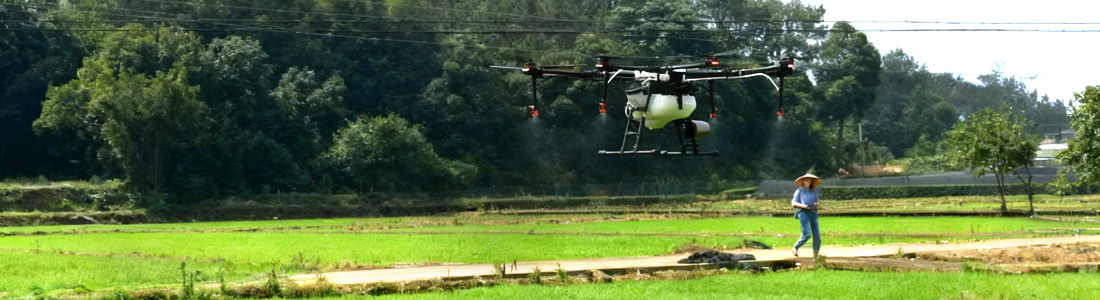
Arable land is the foundation of food production, and protecting arable land is protecting food security. The unmanned guarding system combines the high-resolution optical camera and multi-spectral sensor carried by the drone to carry out regular inspections of arable land, and timely discover and record the illegal occupation and destruction of arable land. It realizes all-weather supervision of arable land resources and provides data support for arable land protection.
Natural Resources Movement Monitoring and Oversight
Technology Empowered, Accurately Grasp Resource Dynamics
Natural resource survey and monitoring is the foundation of natural resource management. The unmanned system, combined with the LiDAR and high-resolution optical camera carried by the drone, can quickly obtain high-resolution images and generate natural resource distribution maps, providing a scientific basis for the management department.
At the same time, combined with the high-resolution optical camera and thermal imager carried by the unmanned aircraft, it inspects natural resources development and utilization activities, discovers and records violations of law in a timely manner, realizes all-weather supervision of natural resources development and utilization activities, and provides conclusive evidence for law enforcement departments.
Ecological Restoration and Environmental Protection
Science and Technology Helping to Restore Green Water and Mountains
Ecological restoration is an important task in natural resource management. The unmanned system combines the multi-spectral sensor and high-resolution optical camera carried by the drone to monitor the ecological restoration area and assess the restoration effect. The automated monitoring function realizes all-weather supervision of ecological restoration areas and provides data support for ecological restoration projects.



 IPv6 network supported |
Sitemap
|
Xml
|
Blog
|
Privacy Policy
|
News
IPv6 network supported |
Sitemap
|
Xml
|
Blog
|
Privacy Policy
|
News